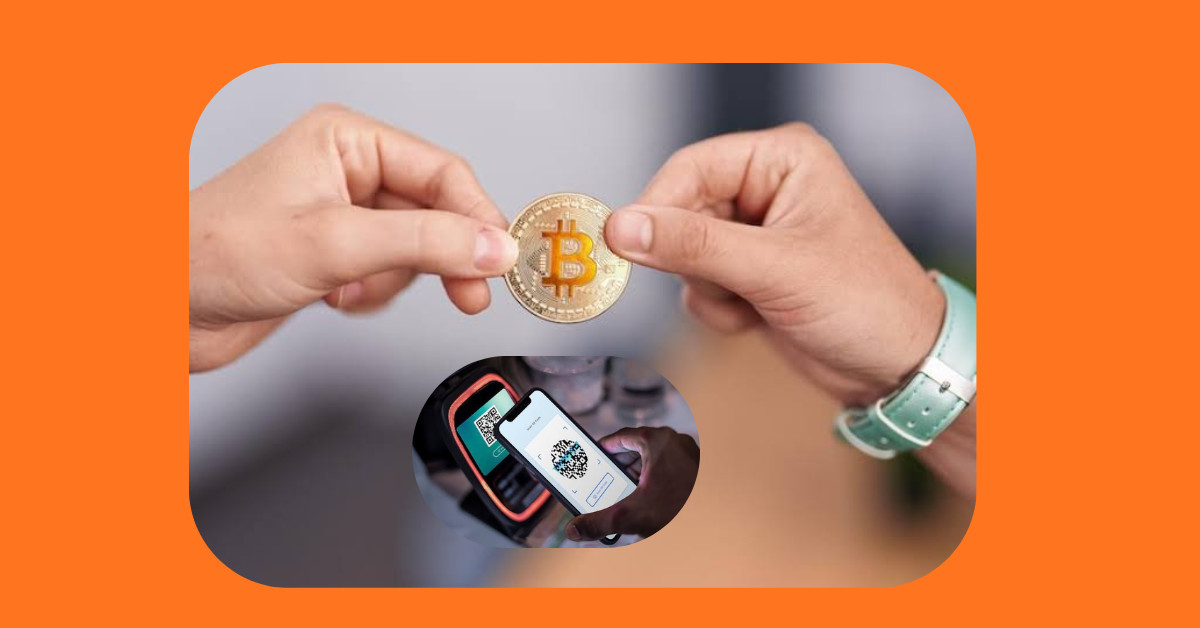
DeFi Strategies: 10 Smart Ways to Grow Your Crypto Portfolio in 2026
DeFi Strategies
Decentralized Finance (DeFi) offers investors innovative ways to earn passive income outside traditional banking systems. In this context, by leveraging blockchain technology, users can stake, lend, and farm assets to generate consistent returns. Moreover, these strategies provide greater autonomy and flexibility compared to conventional financial models.
What is Decentralized Finance?
Essentially, DeFi encompasses applications that eliminate intermediaries, allowing individuals to manage their assets directly. As a result, users gain full control over their funds without relying on banks or financial institutions. Platforms like Ethereum, Solana, and Avalanche host numerous DeFi projects. Furthermore, these ecosystems continue to expand, offering increasingly sophisticated tools and opportunities for investors.
Risks and Rewards
DeFi can provide higher yields than traditional finance, but it comes with risks such as smart contract vulnerabilities, market volatility, and platform reliability. For safe strategies, see our complete finance guide.
Popular DeFi Income Streams
Staking and Yield Farming
- Staking: Lock crypto in a network to earn rewards.
- Yield Farming: Provide liquidity to decentralized exchanges to earn interest or tokens.
Lending Platforms
Earn interest by lending crypto to borrowers through platforms like Aave or Compound, generating passive income safely.
Liquidity Provision
Provide liquidity in pools to earn transaction fees. Diversify across pools to minimize impermanent loss.
Smart Strategies to Maximize Returns
Diversification in DeFi
Avoid putting all funds into a single project. Combine staking, lending, and farming to reduce risk.
Monitoring Smart Contracts

Risk Management Techniques
First, use stop-loss tools where possible to minimize potential losses during market volatility.
In addition, keep a portion of your portfolio in stablecoins for greater stability, especially during uncertain market conditions.
Furthermore, diversifying across multiple assets and protocols helps reduce overall risk.
For a detailed guide on DeFi and digital investments, be sure to explore our full finance guide and learn how to multiply your wealth efficiently.

Practical Tips for 2026
To begin with, start with small amounts to understand how each platform works before committing larger capital.
Next, track APY rates closely and adjust your strategies regularly to optimize returns.
Equally important, avoid projects without audits or strong community support, as they tend to carry higher risks.
Finally, combine DeFi strategies with traditional investments to build long-term financial stability.
Conclusion
In summary, DeFi offers significant opportunities to grow your income in 2026. However, risk management and strategic planning remain essential for consistent success.
By doing so, and by diversifying across staking, lending, and yield farming, you can maximize returns while protecting your capital over time.
For a complete guide covering DeFi, crypto, and personal finance strategies, visit our page here and start multiplying your income the smart way.
👉 Tokenized Oil: Digitizing Energy Assets With Blockchain
Advanced DeFi Strategies: How to Evaluate Protocols Before Investing
While many investors focus on APY and reward rates, successful long-term participants understand that effective DeFi Strategies begin with evaluating the quality of a protocol rather than chasing the highest returns. Sustainable wealth creation in decentralized finance depends on selecting secure, transparent, and well-established ecosystems.
Before allocating capital, examine the protocol’s total value locked (TVL), which reflects the amount of assets secured within the platform. Although TVL alone does not guarantee safety, it often indicates market confidence and long-term adoption. Equally important is reviewing whether the protocol has undergone independent smart contract audits performed by reputable cybersecurity firms.
Understanding Tokenomics
Another critical component of successful DeFi Strategies is analyzing tokenomics. A protocol may offer attractive yields, but poor token distribution or excessive inflation can significantly reduce long-term returns.
When evaluating a DeFi project, consider the following:
- Maximum token supply.
- Inflation schedule.
- Token utility within the ecosystem.
- Governance participation.
- Vesting periods for investors and team members.
- Treasury sustainability.
Healthy tokenomics generally support long-term ecosystem growth rather than short-lived speculation.
The Importance of Total Value Locked (TVL)
One of the most widely used indicators in decentralized finance is Total Value Locked (TVL). This metric measures the value of assets deposited into a DeFi protocol and helps investors compare the size and maturity of different platforms.
Large and consistently growing TVL often signals:
- Higher investor confidence.
- Greater protocol adoption.
- Improved liquidity.
- More stable ecosystem development.
However, TVL should always be analyzed alongside security, governance quality, and protocol revenue instead of being used as the sole investment criterion.
Governance and Decentralization
One advantage that distinguishes decentralized finance from traditional financial systems is community governance.
Many DeFi Strategies involve participating in governance through governance tokens that allow users to vote on protocol upgrades, fee structures, treasury management, and ecosystem development.
Projects with active governance communities often evolve more efficiently because improvements are discussed transparently among developers, validators, liquidity providers, and token holders.
Cross-Chain Opportunities
The DeFi ecosystem is no longer limited to Ethereum.
Modern DeFi Strategies increasingly involve diversifying across multiple blockchain networks, including:
- Ethereum
- Solana
- Avalanche
- Arbitrum
- Optimism
- Base
- BNB Chain
- Polygon
Using multiple ecosystems enables investors to access different liquidity pools, lower transaction fees, and new investment opportunities while reducing dependence on a single blockchain.
Security Best Practices
Security should remain the foundation of every DeFi investment strategy.
Experienced investors typically follow several precautions:
- Enable hardware wallet protection whenever possible.
- Verify official protocol URLs before connecting wallets.
- Avoid approving unlimited token spending permissions.
- Regularly revoke unnecessary wallet approvals.
- Monitor governance announcements and protocol updates.
- Never invest capital that cannot tolerate significant volatility.
Following these practices helps reduce exposure to phishing attacks, malicious contracts, and operational risks that remain present across decentralized finance.
Building a Sustainable DeFi Portfolio
Rather than concentrating funds in a single protocol, many experienced investors build diversified portfolios using complementary DeFi Strategies.
A balanced allocation may combine staking for predictable rewards, lending for passive interest, liquidity provision for transaction fee income, and stablecoins for capital preservation during periods of market uncertainty.
Periodic portfolio rebalancing also helps investors capture opportunities while managing changing market conditions. As decentralized finance continues to mature, disciplined diversification, ongoing research, and risk management remain the key drivers of sustainable long-term performance.
For additional research and reliable market data, consult trusted industry resources such as DefiLlama (https://defillama.com), CoinMarketCap (https://coinmarketcap.com), CoinGecko (https://www.coingecko.com), the Ethereum Foundation (https://ethereum.org), and Aave documentation (https://docs.aave.com). These sources provide authoritative information on protocol metrics, Total Value Locked (TVL), security practices, and developments across the DeFi ecosystem.